
It usually starts with something small. A faint noise on the drive to work, a warning light that flickers and fades, or a dashboard fan that suddenly feels weaker than it did last week. Then one morning, the small thing becomes a big thing, and a normal Tuesday turns into a tow, a missed meeting, and a bill nobody planned for. The good news is that most of those mornings can be avoided. Staying road-ready is less about luck and more about a handful of steady habits, a few trusted relationships, and a plan for the moments you can’t control. This guide walks through the practical steps that keep you safe, keep repair costs predictable, and keep your daily routine moving in every season of the year.
Swap Worn Components to Stay Road-Ready
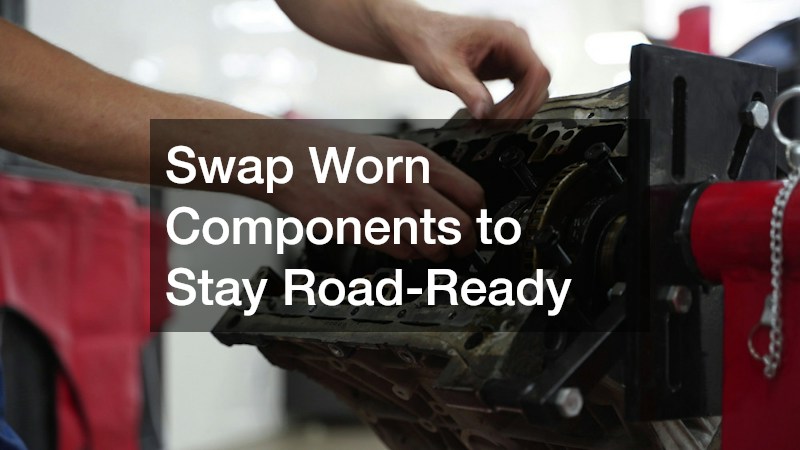
Every time you drive, dozens of vehicle parts flex, spin, heat up, and cool down. Over months and years, that steady work wears them down, often so gradually that you never notice the change until something fails. Belts can crack, hoses can soften, wipers can streak, and bulbs can burn out on the darkest stretch of highway.
The smartest approach is to replace worn pieces before they quit, rather than after. A trusted auto repair shop can look over your vehicle during routine visits and tell you which components are nearing the end of their useful life. That gives you time to budget for replacements instead of scrambling when a part breaks at the worst possible moment.
Your owner’s manual is another valuable resource, since it lays out how long the manufacturer expects key components to last. Ask your mechanic to use quality vehicle parts that match your make and model, because a cheap fix that fails early isn’t really a savings at all.
Check Engine Fluids Every Month
Fluids are the quiet heroes under the hood. They keep the engine cool, the moving pieces lubricated, the steering smooth, and the stopping power strong. When levels drop or fluids break down, the damage can build quietly until it becomes expensive. A monthly fluid check is one of the simplest ways to protect your engine for the long haul.
Engine oil deserves special attention. Fresh oil keeps internal components gliding past each other instead of grinding together, and it helps carry heat away from the hottest parts of the engine. Sticking to a regular oil change schedule, based on your manufacturer’s recommendation and the way you drive, is one of the most effective habits any driver can build. Skipping it even a few times can shorten an engine’s life.
Pay attention to the signals your vehicle gives between visits. A puddle in the driveway, a burning smell, or a temperature gauge creeping higher than usual all deserve a closer look. Pairing each oil change with a quick look at the other fluids turns one appointment into a complete health check.
Rotate Your Treads Every Six Months
The only thing connecting you to the road is four patches of rubber, each roughly the size of your hand. That makes car tires one of the most important safety features you own. Because the front and rear wheels carry different loads and do different jobs, they rarely wear at the same rate.
Rotating your treads about every six months helps spread that wear evenly, which keeps your car tires gripping consistently in rain, heat, and cold. It also stretches the life of the whole set, so you’re not replacing tires a year or two sooner than you should. Many service providers pair a rotation with a pressure check and a quick look at tread depth, giving you a fuller picture in a single visit.
A rotation appointment is also a chance to catch bigger issues early. If a technician notices a strange wear pattern, it can point to alignment or suspension problems that are worth addressing before they cause further damage. Think of each rotation as a small, routine investment that pays you back in safer stops, steadier handling, and more miles from every set.
Listen for Squealing When You Stop
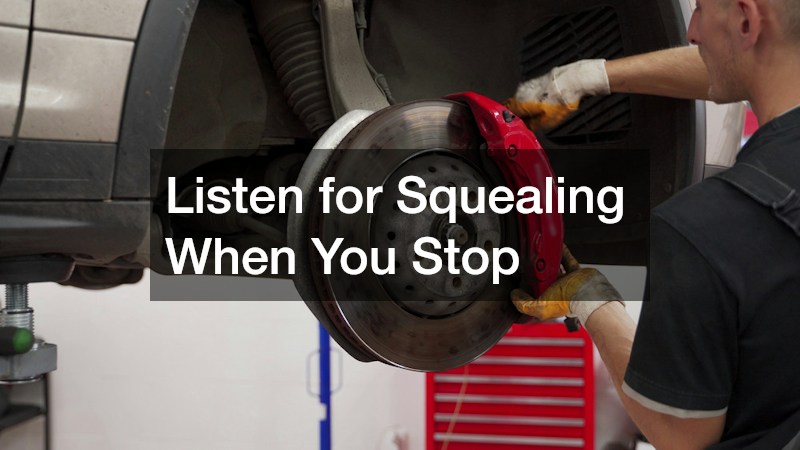
Your brakes are designed to talk to you. That high-pitched squeal when you come to a stop is often a built-in warning that the friction material is wearing thin. Grinding, pulsing through the pedal, or a vehicle that pulls to one side when you slow down are even louder signals that something needs attention. Turning up the radio won’t make the problem go away, and waiting usually makes the repair bigger.
When you hear those sounds, schedule a visit to a reputable brake shop soon. A technician can inspect the full system, not just the most obvious wear points, and tell you exactly what needs replacing now versus what can wait. Catching wear early often means a simpler, less expensive service compared with the repair that follows months of grinding.
Even without warning sounds, it’s wise to have your brakes inspected on a regular schedule. A good brake shop will explain what it finds in plain language and show you the worn components when possible. Strong, responsive brakes protect you, your passengers, and everyone else sharing the road.
Test Cabin Cooling Before Summer Heat
A cabin that turns into an oven isn’t just uncomfortable. Heat makes drivers tired, irritable, and less focused, which can affect reaction time on the road. For families with young children, older passengers, or pets, a working cooling system is a genuine safety concern. The worst time to discover a problem is on the first scorching afternoon of the year, when every service bay in town is already booked.
That’s why spring is the ideal season to schedule a cooling check. If the air feels weaker than it used to, takes a long time to cool down, or carries a musty smell, car ac repair may be needed before summer arrives. Systems can slowly lose refrigerant or develop failing components, and a certified technician can find the cause and restore strong, steady airflow.
Booking car ac repair early also tends to be easier on your schedule and your budget, since minor issues are usually simpler to fix before they snowball. A comfortable cabin keeps you alert, relaxed, and ready for long summer drives.
Repair Windshield Chips Before They Spread
A tiny chip from a passing truck can seem harmless, but windshields are under constant stress from temperature swings, road vibration, and even the slam of a door. Those forces can turn a small chip into a long crack in a matter of days. Your windshield does more than block wind and rain. It supports the roof in a rollover and helps airbags deploy correctly in a collision, so its strength matters. A professional auto glass replacement service can often repair small chips quickly, sometimes in under an hour, before they spread. When damage is too large to repair, the same team can replace the windshield and make sure it’s properly sealed and installed.
Many insurance policies cover glass repairs with little or no out-of-pocket cost, so it’s worth calling your provider before you assume the worst. Make a habit of scanning your windshield after highway trips or storms. Acting fast and calling a trusted auto glass replacement service at the first sign of damage keeps your view clear and your vehicle structurally sound.
Choose a Trusted Mechanic in Advance
Searching for a mechanic while your vehicle is sputtering on the shoulder is stressful and often expensive. Choosing one ahead of time puts you in control. When you already have a relationship with a reliable auto repair shop, you know who to call, what to expect, and whether the advice you’re getting is honest.
Start by asking friends, neighbors, and coworkers who they trust. Read recent reviews, look for certified technicians, and notice how the staff treats you during a simple first visit, such as a routine inspection. A good auto repair shop explains problems clearly, offers written estimates, and helps you decide which repairs are urgent and which can safely wait.
Over time, a consistent mechanic builds a detailed history of your vehicle. That record helps them spot patterns, recommend preventive work, and diagnose problems faster when something does go wrong. Treat this choice the way you would choose a family doctor, and you’ll have a reliable partner who helps keep your vehicle running well for years.
Plan Backup Transportation for Repair Days
Even routine repairs can keep your vehicle in the shop longer than you expect, especially if a part needs to be ordered. Without a backup plan, a one-day repair can ripple through your week. A little planning turns that disruption into a minor inconvenience.
Before you drop off your vehicle, ask the service team how long the work is likely to take and whether they offer a loaner or shuttle. If not, auto rental services can fill the gap with flexible short-term options. You can choose a vehicle that fits the week ahead.
It also helps to check whether your insurance policy includes rental reimbursement, particularly if the repair follows an accident. Some auto rental services work directly with insurers and repair shops to simplify billing and pickup. Keep a short list of backup options, such as rideshare apps, public transit routes, or a friend willing to help, so you’re never left stranded while your vehicle is being repaired.
Save a Roadside Recovery Number Today
No matter how carefully you maintain your vehicle, breakdowns, flat tires, and dead batteries can still happen. The difference between a manageable situation and a frightening one often comes down to preparation. Knowing exactly who to call means less time waiting on a dark roadside and more time getting back to safety.
Take a few minutes today to save the number of a reliable tow truck service in your phone, and keep a written copy in your glove box in case your phone battery dies. Look for a company with solid reviews, clear pricing, and round-the-clock availability. A dependable tow truck operator can move your vehicle to your preferred repair shop instead of whichever one happens to be closest.
Many drivers already have roadside assistance through their insurance, a membership program, or the vehicle manufacturer without realizing it. Review those benefits so you know what’s included, such as jump-starts, lockout help, or fuel delivery. While you wait for help, stay with your vehicle when it’s safe to do so, turn on your hazard lights, and move as far from traffic as possible.
Review Your Coverage Once a Year

Insurance is one of those things most people set up once and forget. But your life changes from year to year. A move, new job, or new driver can affect what coverage you need and how much you should be paying for it.
Set a reminder to sit down with your auto insurance agency once a year and walk through your policy. Ask clear questions about what’s covered and what isn’t, including roadside assistance, glass repair, rental reimbursement, and protection against uninsured drivers. Understanding these details before a claim saves you from unpleasant surprises when you’re already dealing with the stress of an accident.
An annual review is also a good time to ask about discounts for safe driving, bundled policies, or vehicle safety features. A knowledgeable auto insurance agency can compare options and help you balance cost with the protection you need. Keeping your coverage current is just as important to staying road-ready as any repair or service appointment.
Staying road-ready isn’t about perfection. It’s about paying attention, acting early, and building a small circle of trusted professionals who can help when you need them. The habits in this guide, from replacing worn components and keeping fluids fresh to listening for warning sounds and fixing glass damage quickly, each take only a little time. Together, they add up to fewer surprises, lower long-term costs, and far more confidence every time you turn the key. Preparation matters just as much as regular maintenance does. Choosing a mechanic in advance, planning backup transportation, saving a roadside recovery number, and reviewing your coverage each year all mean that when something unexpected happens, you already know your next move. Before long, these habits will feel like second nature, and you’ll spend less time worrying about your vehicle and more time enjoying the drive.