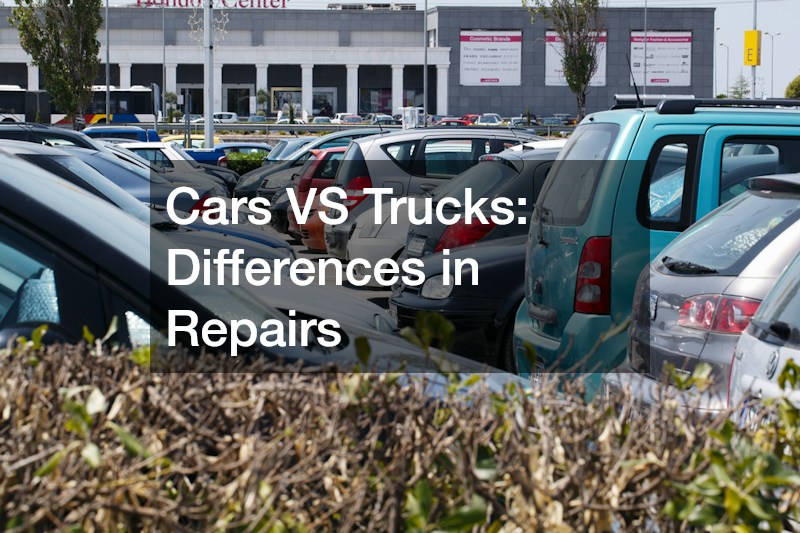
Modern diagnostic procedures represent another significant point of divergence between standard passenger cars and heavy-duty trucks. While light-duty cars utilize standardized OBD-II protocols that allow generic scanners to quickly identify engine misfires or sensor glitches, trucks often rely on proprietary, heavy-duty telematics networks. These advanced truck systems track real-time engine metrics, fleet locations, component temperatures, and driver habits simultaneously. Because commercial and work trucks operate continuously under severe stress, catching early sensor deviations prevents catastrophic roadside breakdowns and costly downtime.
To manage these complex electronic environments, vehicle owners must adopt specialized diagnostic habits tailored to their specific platform.
Actionable Diagnostic and Telematics Tips
- Invest in advanced diagnostic scanners capable of reading proprietary heavy-duty fault codes rather than relying on basic consumer-grade code readers.
- Regularly clean and check telematics sensors, GPS modules, and onboard monitoring harness connections to avoid false error flags.
- Monitor engine fault trends through telematics software to schedule preventative maintenance before minor sensor readings turn into major mechanical failures.
Specialized Preventive Maintenance Schedules

The operational environment of a truck demands a far more aggressive preventive maintenance schedule than that of a typical commuter car. Standard passenger cars usually follow fixed mileage intervals for oil changes, cabin filter replacements, and basic inspection routines designed around predictable city or highway driving. In contrast, trucks operating under severe service conditions—such as extreme idle times, continuous towing, or constant exposure to dust and debris—require custom maintenance intervals dictated by engine operating hours rather than simple odometer readings.
Neglecting these specialized maintenance schedules leads to accelerated fluid thermal degradation, rapid air filter restriction, and unexpected mechanical strain across the entire chassis.
Actionable Preventive Maintenance Tips
- Track vehicle usage using engine operating hours instead of mileage alone when determining service intervals for severe-duty trucks.
- Inspect primary and secondary air intake filters frequently when operating vehicles on dusty worksites or unpaved rural roads.
- Implement a regular fluid sampling program to analyze engine oil and gear lubricants for metal wear particles and chemical contamination.
The automotive landscape is filled with a vast variety of vehicles, each designed to meet specific transportation needs. Whether navigating tight urban streets in a compact sedan or hauling heavy equipment across rugged terrain in a full-size pickup, vehicle owners eventually face the inevitable reality of maintenance and fixes. While both cars and light-to-heavy trucks share fundamental concepts of propulsion, their structural architectures, mechanical loads, and component designs differ substantially. Understanding these operational distinctions is essential for any owner looking to extend the lifespan of their vehicle and manage ownership costs effectively.
The primary divergence between standard passenger cars and trucks stems from their underlying engineering philosophy. Passenger cars typically utilize unibody construction, where the body and frame form a single integrated structure prioritizing fuel efficiency, weight reduction, and passenger safety. Conversely, most trucks employ a body-on-frame construction, where a heavy-duty steel frame supports a separate body and cargo bed to handle immense payload capacities and severe towing strain.
Chassis Structural Architecture and Structural Integrity

Unibody passenger cars distribute load stresses across the entire shell of the vehicle, meaning that even localized structural damage can compromise the integrity of the whole chassis. When a car suffers frame damage, specialized frame-pulling equipment is required to restore precise factory specifications. In contrast, frame-based trucks feature thick steel rails designed to endure extreme torsional stress, meaning structural repairs often involve sectioning or replacing heavy crossmembers.
Suspension systems also highlight the vast engineering gap between these two vehicle classes. Passenger cars generally utilize independent suspension systems on all four wheels for a smooth ride. Trucks frequently employ solid live axles supported by heavy-duty leaf springs or robust coil setups engineered to bear immense weight.
Actionable Suspension and Frame Maintenance Tips
- Inspect the frame rails and underbody crossmembers regularly for signs of stress cracks, heavy corrosion, or bent mounting brackets around leaf spring hangers.
- Periodically check leaf spring U-bolts for proper torque specifications and inspect rubber or polyurethane bushings for dry rot.
- Maintain proper wheel tracking across heavy solid axle assemblies by getting a precise alignment to prevent uneven tire wear and erratic handling.
- Perform regular manual play checks on truck steering linkages, including tie rods and drag links, which wear faster due to high steering loads.
Powertrain and Drivetrain Disparities

Passenger car engines are tuned for fuel economy and compact packaging, often mounted transversely. Truck engines, whether large-capacity gasoline V8s or turbocharged diesels, are engineered for low-rpm torque production and sustained thermal durability.
Transmissions and drive layouts further complicate the maintenance landscape. Most modern cars feature front-wheel drive or light-duty all-wheel drive systems integrated into a single transaxle. Trucks overwhelmingly favor longitudinal layouts feeding power to heavy-duty rear axles or complex four-wheel-drive transfer cases requiring distinct fluid services.
Actionable Drivetrain Service Tips
- If you frequently haul heavy loads, install an auxiliary fluid cooler and consult a qualified transmission mechanic to establish a shortened fluid flush interval.
- Change fluid routinely in transfer cases and front and rear differentials using the exact friction modifiers specified by the manufacturer.
- Apply high-pressure chassis grease to greaseable universal joints during every oil change to prevent catastrophic driveshaft failure.
Braking Systems and Thermal Management
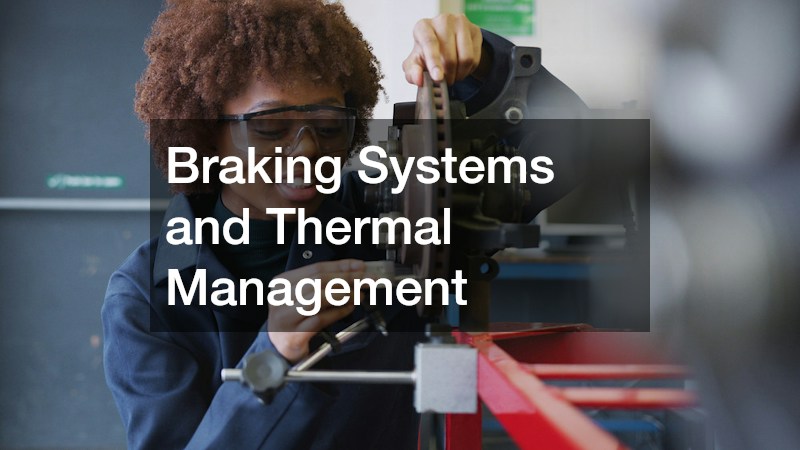
Passenger cars weigh significantly less than trucks, so their braking systems feature lighter rotors, smaller single-piston calipers, and standard friction pads. These components are relatively inexpensive and simple to service during routine upkeep.
Trucks must bring immense combined weights to a complete halt, requiring massive ventilated rotors, multi-piston calipers, and high-friction brake linings. Thermal management is critical in truck braking design, as excessive heat causes rapid brake fade or warped rotors.
Actionable Brake Care Tips
- Upgrade to slotted rotors paired with heavy-duty ceramic-metallic pads if your vehicle is frequently loaded to its maximum towing capacity.
- Perform an annual brake fluid flush to remove absorbed moisture and prevent pedal sponginess during high-load stops.
- When severe rotor warping or hydraulic failure occurs, seeking professional auto brake repair ensures that heavy-duty components are safely restored.
- Inspect the physical wiring harness and pin connections at the rear bumper to keep electronic trailer brake controllers functioning properly.
Specialized Engine Systems and Diesel Considerations
While the majority of passenger cars run on standard unleaded gasoline or hybrid electric powertrains, a substantial portion of the truck market relies on diesel technology. Diesel engines offer superior torque delivery, but their high-pressure common rail fuel injection systems require surgical cleanliness during servicing.
Furthermore, modern diesel powertrains are bound by stringent environmental regulations, necessitating complex exhaust gas recirculation systems, diesel particulate filters, and selective catalytic reduction setups using exhaust fluid.
Actionable Engine Care Tips
- Periodically clean soot build-up from exhaust gas recirculation valves to prevent valve stickiness, erratic idling, and engine derate conditions.
- Schedule targeted diesel truck repairs promptly when diagnostic lights indicate soot clogging or high-pressure fuel pump issues.
- Replace primary and secondary fuel filters strictly according to manufacturer intervals to protect expensive fuel injectors from microscopic debris.
- Use fresh diesel exhaust fluid from sealed containers to prevent crystal formation inside the dosing pump and injector tip.
Wheels, Tires, and Wheel End Assemblies
Passenger car tires feature light carcasses and flexible sidewalls optimized for comfort and low rolling resistance. Replacing and balancing car tires is a straightforward process handled by virtually any general service facility.
Truck tires are engineered with reinforced plies, stiff sidewalls, and deep tread patterns capable of handling heavy payloads. They carry specific load range ratings that must never be compromised during replacement.
Actionable Wheel and Tire Tips
- Maintain correct cold inflation pressures to prevent excessive sidewall flexing, heat accumulation, and sudden tread blowouts under load.
- Rotate heavy-duty tires every five thousand miles using a cross-rotation pattern to combat rapid, uneven tread wear.
- Establish a relationship with specialized tire shops that possess heavy-duty tire changers and precision balancers suited for large wheel packages.
- Inspect wheel seals for oil leaks and check taper roller wheel bearings for excessive play during routine brake inspections.
Commercial and Semi-Truck Mechanical Differences
Moving into the realm of heavy commercial vehicles introduces air brake systems governed by compressed air supply tanks and slack adjusters rather than traditional hydraulic fluids. These commercial setups require dedicated preventative inspection protocols to maintain highway safety.
Drivetrain components on commercial rigs are similarly massive, featuring heavy-duty friction clutches that endure immense stress when launching heavy loads on steep inclines.
Actionable Heavy Vehicle Maintenance Tips
- Drain air brake supply tanks daily to clear condensation and prevent water from rusting internal control valves.
- Schedule specialized semi clutch repairs whenever linkage clearances drift, ensuring worn friction disks and flywheels are serviced before total drive loss occurs.
- Regularly apply high-temperature grease to external grease fittings on clutch release bearings and cross-shafts.
Modern Electronics, Security, and Diagnostics
Both modern cars and trucks rely on complex networks of electronic control units. However, passenger cars heavily prioritize driver assistance and convenience, whereas trucks incorporate electronics for managing towing parameters, trailer stability, and integrated winches.
Vehicle security across both segments relies on encrypted transponder keys and smart proximity fobs. Electrical faults can leave owners locked out or unable to start their vehicles.
Actionable Electrical Care Tips
- Clean trailer wiring harness terminals with contact cleaner and apply dielectric grease to prevent short circuits and false warnings.
- If security transponders or physical lock cylinders fail, contacting an expert auto locksmith ensures key modules are reprogrammed without damaging sensitive wiring.
- Always test dual-battery truck setups simultaneously and replace them as a matched pair to avoid overloading the alternator.
Emergency Roadside Failures and Heavy Recovery
When a passenger car breaks down, standard flatbed tow trucks can easily transport the vehicle to a local garage. Recovery is generally quick, inexpensive, and uncomplicated.
Trucks present far greater recovery challenges due to their physical height, wide track width, and high gross weight. Lifted pickups or loaded commercial vehicles require specialized recovery equipment with high-capacity winches and heavy boom cranes.
Actionable Breakdown Tips
- Disconnect the driveshaft or use a flatbed when towing a rear-wheel-drive or four-wheel-drive truck to prevent transmission destruction.
- Rely on established local tow truck services equipped with heavy-recovery booms to avoid damaging structural frame points during a rescue.
- Connect recovery gear exclusively to factory-rated tow hooks or structural frame crossmembers rather than suspension arms.
Sourcing Quality Replacement Components
Passenger car parts are manufactured in massive volumes, resulting in broad aftermarket support. Because cars carry lighter loads, mid-tier aftermarket parts often provide acceptable performance for daily commuting.
Truck components operate under severe structural stress, elevated operating temperatures, and harsh road conditions. Using sub-standard or undersized replacement parts on a truck can lead to rapid failure and compromised safety.
Actionable Component Selection Tips
- Source dedicated truck parts that explicitly meet or exceed original factory load ratings and metallurgical hardness standards.
- Opt for fleet-grade or severe-duty product lines when replacing brake pads, water pumps, and steering linkages.
- Visually inspect replacement castings for microscopic cracks, machining burrs, or uneven mounting surfaces prior to installation.
Legal Considerations and Forensic Analysis
When catastrophic mechanical failures lead to severe traffic accidents, the distinction between simple component wear and design defects becomes a legal matter. In truck collisions, the sheer kinetic energy involved means component failures carry high legal stakes.
Investigating complex crashes requires deep technical knowledge of automotive engineering, material science, and mechanical failure modes.
Actionable Legal Evidence Tips
- Engage an automotive mechanical failure expert witness to conduct objective, scientific analysis on broken axle shafts, steering knuckles, or brake valves following an accident.
- Preserve all damaged components immediately after a failure without altering their post-crash state.
- Maintain detailed, dated service logs and record component batch numbers to prove adherence to manufacturer maintenance schedules.
Choosing the Right Maintenance Strategy
Ultimately, choosing between a car and a truck comes down to personal lifestyle, work requirements, and operational needs. While passenger cars offer superior fuel economy, nimbler handling, and generally lower routine maintenance costs, trucks provide unmatched versatility, towing capacity, and durability under tough conditions. By understanding the distinct mechanical differences, maintenance schedules, and heavy-duty repair requirements inherent to each vehicle class, owners can make informed decisions that keep their vehicles operating safely and efficiently for years to come.