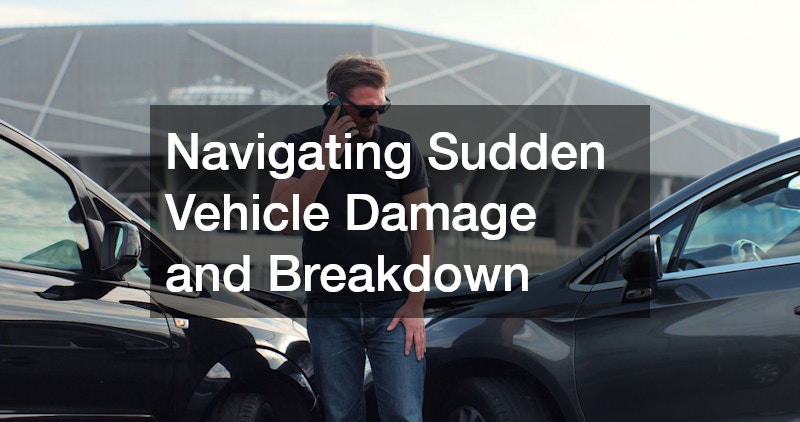
Few experiences match the sudden jolt of adrenaline that comes when a dashboard warning light flashes red, a tire violently pops at highway speeds, or you walk out to a parking lot to find your vehicle’s exterior heavily damaged. For most people, a vehicle is more than just a mechanical tool; it is a vital lifeline to work, family obligations, and daily independence. When that lifeline is abruptly compromised, it is easy to let panic dictate your next moves.
Unfortunately, making decisions under stress in the wake of an automotive emergency often leads to costly mistakes, prolonged downtime, and unnecessary safety risks. Whether you are dealing with an immediate mechanical failure on a busy shoulder or assessing the aftermath of a severe weather event, having a structured, logical plan is the key to minimizing both financial and emotional stress. This comprehensive guide is designed to walk you through every critical phase of managing sudden vehicle damage and breakdowns, offering actionable advice to get you back on the road safely and efficiently.
1. Navigating the Immediate Danger of a Roadside Emergency
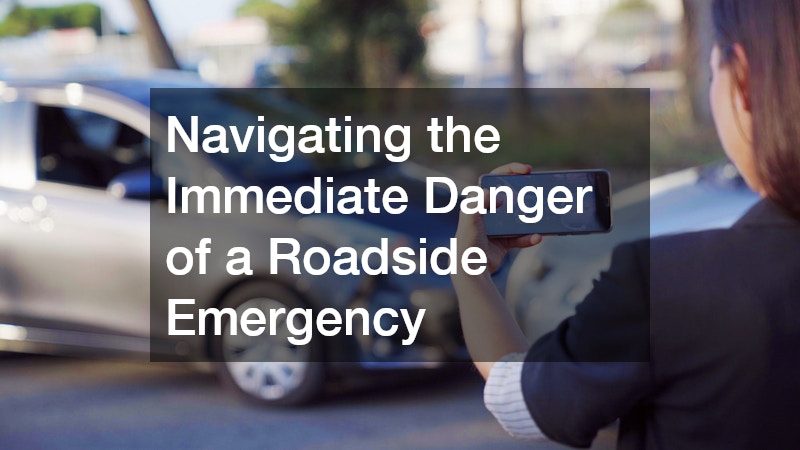
The absolute first priority during any unexpected vehicle malfunction is establishing immediate safety. If your vehicle begins losing power, smoking, or handling erratically while you are driving, you must remain calm and act deliberately to move out of the flow of traffic. Signal your intentions early and guide the vehicle toward the right shoulder of the road, or ideally, into a well-lit parking lot or off an upcoming exit ramp.
Once you have pulled over, turn your wheels away from the roadway and engage the emergency brake completely. Immediately activate your hazard lights to alert oncoming motorists that your vehicle is stationary. If it is dark or visibility is poor, keep your interior dome lights on as well to maximize your profile.
If you are stuck on a narrow highway shoulder with fast-moving traffic, it is generally safest to remain inside the vehicle with your seatbelt securely buckled while you wait for assistance. Attempting to inspect damage or change a flat on the traffic-facing side of a live highway places you at an extreme risk of injury. If you smell smoke or suspect a fire, exit the vehicle immediately from the passenger side, move up the embankment, and stand a safe distance away from the roadway before making any calls.
2. Procuring Professional Transport and Roadside Assistance
Once you are in a secure position, the process of clearing your vehicle from the roadway begins. Many drivers mistakenly grab their phones and call the very first business listing they see online without checking credentials, locations, or pricing structures. This lack of verification can lead to long wait times or exorbitant fees.
When you require professional vehicle transport, you should look for companies that explicitly state their licensing, insurance, and compliance with local transport regulations. Contacting an established service guarantees that the person arriving to help has undergone background checks and proper technical training.
Before the recovery vehicle arrives, explicitly communicate your exact location using cross streets, mile markers, or digital map pins. Inform the dispatcher of your vehicle’s make and model, as well as the nature of the breakdown. This ensures the company dispatches a correctly rated tow truck capable of handling your specific vehicle weight without risking damage to your transmission or bumper.
3. Understanding the Specific Logistics of Vehicle Recovery
When arranging for professional assistance, understanding the nuances of transport logistics can protect you from predatory pricing and hidden fees. Always ask the dispatcher for a transparent breakdown of their hookup rates and per-mile fees before authorizing them to head to your location.
Furthermore, you need to verify whether the incoming service matches the drivetrain configuration of your car. For instance, all-wheel-drive and four-wheel-drive vehicles generally require flatbed transport to prevent severe internal drivetrain damage, whereas front-wheel-drive vehicles can often be safely moved using a standard wheel-lift configuration.
A reliable provider will ask these qualifying questions before deployment. Entrusting your vehicle to a company that specializes in professional auto towing ensures that the recovery operator will use industry-standard tie-down points and proper securement methods, mitigating the risk of structural frame damage during transit.
4. Selecting Qualified Management for Vehicle Relocation
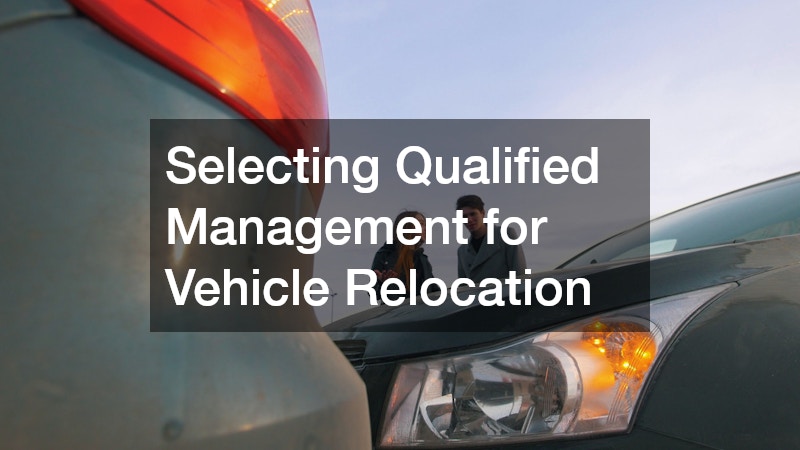
Not all breakdown situations are identical, and some require highly specialized recovery equipment rather than standard transport. If your vehicle has rolled into a ditch, become stuck in deep mud off-road, or is wedged in a low-clearance parking garage, standard recovery vehicles will struggle to extract it safely without causing secondary body damage.
When describing your situation to a dispatch operator, be incredibly precise about the physical environment surrounding the vehicle. A professional auto towing service possesses a versatile fleet that includes heavy-duty wreckers, rotators, and low-profile recovery units designed specifically for complex extractions.
When the operator arrives, check that their company name matches the dispatch confirmation. Ask the operator to confirm the destination address where the vehicle is being taken, whether that is your home residence or a trusted local dealership, before they hook up the vehicle.
5. Inspecting Critical Wear Items and Roadway Vulnerabilities
While some breakdowns are caused by random external debris or sudden electrical failures, an overwhelming percentage of roadside emergencies stem from component degradation that goes unnoticed until it is too late. The single most common point of failure on the highway relates to the components that maintain direct contact with the pavement.
Driving on underinflated or excessively worn rubber increases rolling resistance, generates extreme internal heat, and drastically elevates the likelihood of a high-speed blowout. Regularly checking your tread depth with a simple depth gauge and monitoring your inflation levels at least once a month can prevent the vast majority of these sudden, terrifying failures.
Neglecting your tires not only leaves you vulnerable to sudden punctures on the road, but it can also ruin your fuel economy and compromise your vehicle’s braking distance during inclement weather.
6. Managing Unexpected Diagnostic Findings and Mechanical Restorations
Once your vehicle has been safely transported to a repair facility, the diagnostic phase begins. This is often where drivers feel the most vulnerable, as they are forced to rely on the expertise of a technician to explain what went wrong and how much it will cost to fix.
To protect your wallet and ensure high-quality workmanship, look for facilities that employ technicians certified by the National Institute for Automotive Service Excellence. Request a comprehensive, written diagnostic report that clearly outlines which failures are critical for safety and operation versus which items are merely recommended for preventative maintenance.
Navigating major car repairs requires an open line of communication; never hesitate to ask the shop manager to show you the worn-out or broken parts directly so you can see the physical evidence of the failure before signing off on the work order.
7. Navigating Environmental Alterations and Climate Impact
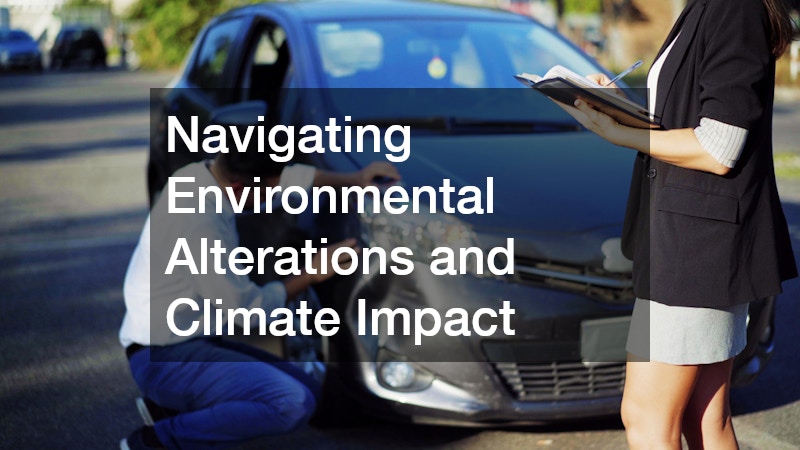
Mechanical failures are not the only source of sudden vehicle headaches; environmental hazards and extreme weather can completely compromise a vehicle’s bodywork and structural integrity in a matter of minutes. Severe convective storms frequently bring intense downbursts, falling tree limbs, and frozen precipitation that can shatter glass and leave hundreds of micro-depressions across your hood, roof, and trunk.
Dealing with widespread car hail damage requires a specific approach to restoration, often utilizing specialized processes like Paintless Dent Repair to gently manipulate the metal back into its original shape without ruining the factory paint finish.
When filing an insurance claim for weather-related damage, document the scene immediately with high-resolution photographs from multiple angles and contact your insurance adjuster quickly to start the claims process before local repair shops become overwhelmed by seasonal backlogs.
8. Restoring Visual Aesthetics and Reversing Environmental Degradation
After your vehicle has survived a major breakdown, spent time sitting in a dirty repair lot, or endured harsh environmental elements, its physical presentation is often degraded. Grime, industrial fallout, motor fluids, and abrasive dust can accumulate quickly, potentially harming the clear coat if left unaddressed.
Scheduling a thorough session of professional auto detailing is an effective way to deeply sanitize the interior cabin and preserve the external surfaces.
A meticulous deep clean involves using specialized clay bars to lift embedded microscopic contaminants from the paint, polishing out surface micro-scratches caused by road debris, and applying durable sealants that help shed water and protect the underlying surfaces from future environmental oxidation.
9. Implementing Advanced External Barriers and Aesthetic Enhancements
For drivers looking to establish a robust layer of protection over their factory paint while simultaneously giving their vehicle a completely refreshed look, modern material technology offers excellent alternatives to traditional clear coats or expensive respraying.
Applying premium protective automotive film or customized vinyl car wraps creates a sacrificial, highly durable barrier that deflects minor rock chips, road salt, bird droppings, and UV radiation.
These advanced material layers can be customized in a wide variety of finishes, allowing you to safeguard your underlying factory paint finish completely, which ultimately preserves the long-term trade-in value of the asset when you eventually decide to upgrade.
10. Enhancing Asset Security and Preventing Unauthorized Intrusions
While maintaining mechanical reliability and visual aesthetics is essential, protecting your vehicle from unauthorized entry or theft is equally critical, especially if a breakdown forces you to leave your car parked overnight in an unfamiliar or unsecured area. Modern vehicle theft techniques have evolved, with tech-savvy criminals using relay attacks and signal duplicators to bypass entry systems.
Upgrading your vehicle with modern car alarms that feature two-way paging, smartphone integration, GPS tracking, and glass-break sensors adds an aggressive layer of deterrence against opportunistic criminals.
These security systems provide real-time alerts directly to your phone if anyone tampers with your vehicle, allowing you to act quickly and coordinate with local law enforcement to safeguard your property.
11. Determining the Tipping Point Between Preservation and Asset Liquidation
There comes a definitive point in every vehicle’s lifespan where the financial mathematics of ownership no longer favor continuous investment. If you are facing a massive repair bill for a blown engine, a failed transmission, or extensive structural damage from an accident that exceeds the actual resale value of the vehicle, pouring more money into the asset is a losing strategy.
When a vehicle becomes a financial liability, looking into specialized services that offer immediate cash for cars is a highly efficient way to cut your losses, free up space, and secure immediate capital that you can reallocate toward purchasing a safer, more reliable vehicle.
These liquidation operations typically handle all the title transfer paperwork and vehicle removal logistics on your behalf, removing the headache of trying to sell a broken or heavily damaged vehicle to a private buyer.
Experiencing sudden vehicle damage or a roadside breakdown can be an incredibly stressful event, but it does not have to result in financial ruin or weeks of logistical chaos. By understanding how to pull over safely, vetting your roadside assistance providers carefully, staying on top of critical maintenance like tire health, and knowing when to invest in repairs versus when to liquidate the asset, you remain completely in control of the situation. Automotive mishaps are an inevitable part of driving, but with an organized, analytical approach, you can successfully navigate any roadside crisis and protect both your safety and your financial well-being.
Building a resilient mindset around vehicle ownership means accepting that mechanical components will wear out and external hazards will occur, but refusing to let those moments catch you off guard. The difference between a driver who panics on the side of the road and one who handles the situation seamlessly comes down to preparation and access to the right resources. By keeping emergency contact numbers handy, understanding the specific physical layout and requirements of your vehicle, and maintaining a dedicated emergency fund for unexpected shop visits, you effectively strip these stressful events of their power.
Furthermore, view your relationship with your vehicle as an evolving financial calculation. Every dollar spent on upkeep, advanced cosmetic defense, or security upgrades should directly serve to extend the vehicle’s safe operating life or preserve its equity. When the scale finally tips and the vehicle requires more financial input than it is worth, accepting that reality allows you to make an objective, business-minded decision to move on. Ultimately, cars are replaceable, but your personal safety and peace of mind are not. Armed with the strategies outlined in this guide, you can confidently hit the road knowing you are fully prepared for whatever lies ahead.