
Pickup trucks represent some of the most versatile vehicles on the road today, serving as dependable daily commuters, heavy-duty workhorses, and capable off-road exploration rigs. Because modern trucks leave the assembly line designed to satisfy a broad spectrum of drivers, they often leave plenty of room for targeted upgrades. Whether your goal is to preserve long-term resale value, improve towing capability, optimize fuel efficiency, or transform the interior into a refined mobile office, custom modifications allow you to tailor your vehicle to your exact operational demands.
Protecting Your Exterior Investment

Preserve Original Bodywork and Factory Finish
Maintaining the exterior sheet metal of a heavy-duty pickup requires constant vigilance, especially if the vehicle frequently encounters gravel roads, construction sites, or tight parking quarters. Minor dings and hail damage can quickly ruin the smooth contours of your door panels and quarter panels, diminishing aesthetic appeal and opening the door to premature corrosion if paint cracks occur. Addressing these cosmetic flaws promptly ensures that the underlying metal remains structural and free from rust formation.
When structural paint damage has not occurred, vehicle owners can utilize paintless dent repair to remove minor body indentations without compromising the original factory clear coat. This specialized technique uses customized leverage tools to massage dented metal back into its original contour from behind the panel. By avoiding traditional panel filling, sanding, and repainting, you maintain the factory finish, which is critical for preserving vehicle value.
-
Seek out technician assessments early before metal stretches beyond recovery points.
-
Verify that the reverse side of the damaged panel is accessible without cutting structural braces.
-
Ensure clear coat integrity remains intact across the entire affected perimeter prior to tool application.
-
Avoid DIY pull kits on high-tension body lines where aluminum panels are present.
Shield Surfaces Against Hard Scratches and UV Exposure
Beyond structural body bumps, the vehicle paint system faces constant punishment from environmental contaminants, tree sap, bug splatter, road tar, and harsh ultraviolet sunlight. Standard washing and traditional paste wax offer temporary shine, but they fall short when subjected to industrial environments or extreme weather conditions over long periods. Advanced liquid formulas engineered at the molecular level now allow owners to establish a semi-permanent sacrificial barrier over their clear coat.
Applying a high-grade ceramic coating creates a hydrophobic layer that repels water, mud, and road grime while dramatically reducing oxidation caused by intense solar exposure. This hard nano-structure seal smooths out microscopic valleys in the paintwork, making wash maintenance substantially easier and preventing environmental acid rain from etching directly into the clear coat.
-
Perform a comprehensive multi-stage iron decontamination and clay bar treatment before application.
-
Complete all necessary paint correction and machine polishing steps to eliminate swirl marks prior to sealing.
-
Apply liquid formulas in controlled indoor environments to prevent airborne dust contamination during curing.
-
Allow proper cure times without water exposure according to specific chemical instructions.
Enhancing Bed Utility and Cargo Management

Guard Cargo Against Severe Weather and Theft
The open bed of a pickup is its defining feature, providing unmatched utility for hauling raw materials, outdoor gear, and heavy equipment. However, an exposed bed leaves tools and valuable belongings vulnerable to rain, snow, road dust, and opportunistic theft. Installing dedicated bed enclosure systems transforms the open space into a secure, weather-resistant trunk while preserving the flexibility needed to carry oversized loads when necessary.
Many drivers choose truck bed covers to secure loose items while improving aerodynamic efficiency along the highway. Available in soft roll-up designs, hard tri-fold panels, and heavy-duty retractable aluminum configurations, these units shield cargo from severe weather and keep items hidden from view. Reducing high-speed air turbulence behind the cab can also offer subtle fuel savings over long highway journeys.
-
Measure inside bed lengths carefully at both the bulkhead and tailgate before ordering model-specific hardware.
-
Select hard-folding or aluminum panel models if high-level security for expensive power tools is required.
-
Ensure integrated drainage tubes are routed properly through existing bed drain plugs to prevent water pooling.
-
Inspect perimeter weather stripping quarterly to replace worn rubber gaskets before leaks occur.
Prevent Internal Scratches and Moisture Accumulation
Hauling construction debris, firewood, toolboxes, or steel machinery will rapidly gouge unprotected bed metal, exposing raw sheet steel to moisture, salt, and oxygen. Over time, these deep scratches inevitably turn into bubbling rust beds that weaken structural integrity. Installing heavy-duty barrier protection preserves the physical bed floor, tailgate, and sidewalls against impact gouges and abrasion.
Investing in rugged truck bed liners creates a thick impact-absorbing barrier between heavy cargo and the sheet metal floor. Whether you select a drop-in high-density polyethylene drop-in model or a permanent professional spray-on polyurethane application, this addition prevents rust formation, reduces load sliding, and muffles cargo vibration during transport.
-
Clean and degrease the underlying metal surface thoroughly before installing any protective layer.
-
Select textured non-skid surface patterns to prevent the gear from sliding around during aggressive acceleration or braking.
-
Check under drop-in models periodically to remove trapped dirt and moisture that could cause hidden abrasion.
-
Ensure drain paths at the front of the bed bulkhead remain clear to prevent standing water accumulation.
Upgrading Cabin Comfort and Technology

Integrate Modern Touchscreens and Acoustic Engineering
Older or base-trim vehicles often lack modern connectivity options, crisp audio reproduction, and integrated navigation technology. Upgrading cabin electronics dramatically improves the driving experience, turning long road trips and daily commutes into enjoyable, connected journeys. High-performance head units with smartphone integration allow seamless hands-free calling, real-time traffic mapping, and personalized media streaming.
Scheduling a professional car stereo installation allows you to seamlessly integrate high-definition touchscreen receivers, upgraded coaxial speakers, and dedicated amplification into your dashboard. Modern head units support wireless smartphone connectivity, integrated backup cameras, and advanced equalizers, modernizing older dashboards without compromising vehicle wiring.
-
Select head units featuring physical volume knobs or ergonomic steering wheel interface modules for safer operation while driving.
-
Verify dash kit compatibility and wiring harness adapters to avoid cutting factory loom wires.
-
Install sound-deadening matting inside door cavities while speaker panels are removed to reduce road noise.
-
Route dedicated power wiring with inline fuses directly from the battery when installing external amplifiers.
Maintain Interior Surfaces for Daily Work Use
The cabin of a hard-working pickup endures significant wear and tear from mud-caked boots, spilled beverages, sharp tools, and pet claws. Factory carpet and cloth upholstery absorb moisture, trap odors, and stain easily, degrading the interior environment over time. Protecting interior materials preserves cabin cleanliness and prevents premature wear on seating and flooring surfaces.
-
Upgrade to custom-fit, deep-dish floor liners constructed from thermoplastic elastomer to capture water and mud.
-
Install breathable, heavy-duty ballistic nylon or neoprene seat covers to safeguard upholstery against tears and liquid spills.
-
Apply UV-blocking interior protectants to synthetic dashboard surfaces to prevent drying and cracking from sun exposure.
-
Utilize under-seat storage organizer bins to keep tow straps, jumper cables, and emergency tools securely stowed.
Optimizing Chassis and Drivetrain Reliability
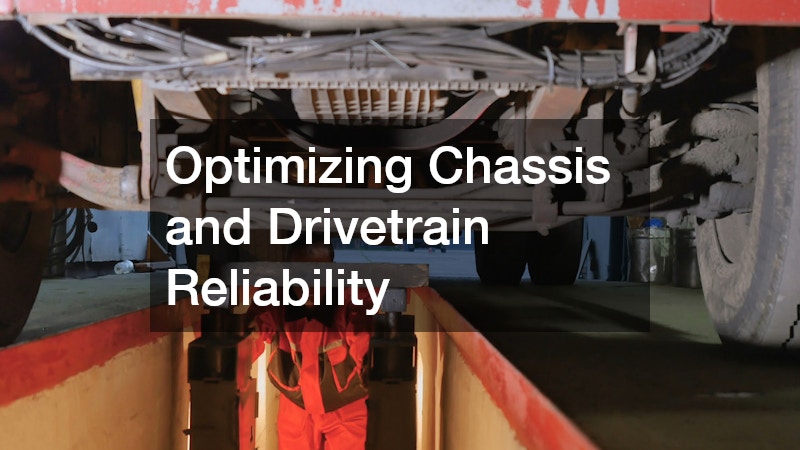
Restore Heavy Towing Alignment and Ride Control
Carrying heavy payloads, hauling trailers, or traversing rough terrain places immense stress on springs, shocks, control arms, and steering linkages. Over time, suspension components fatigue, leading to vehicle sag, uneven tire wear, unstable cornering, and harsh ride quality. Rebuilding and upgrading these components restore ride comfort, stabilize towing setups, and improve control under heavy load conditions.
Executing a thorough suspension repair ensures that worn shocks, sagging leaf springs, stretched U-bolts, and deteriorated ball joints are replaced with heavy-duty components. Upgrading to gas-charged performance dampers or adding helper air springs eliminates rear-end sag under heavy loads, improves steering response, and maintains proper headlight aiming when towing heavy trailers.
-
Inspect shock absorbers regularly for fluid weeping, damaged bushings, or dented outer bodies.
-
Replace rubber suspension bushings with polyurethane alternatives to tighten handling precision and extend component life.
-
Install heavy-duty sway bars to control body roll when carrying top-heavy camper units or high-center-of-gravity loads.
-
Realign front-end geometry immediately following any component replacement to prevent rapid, uneven tire wear.
Partner With Skilled Technical Support for Engine Longevity
High-output engines, particularly turbocharged oil-burners, operate under extreme combustion pressures and thermal stress. Maintaining these powertrains requires specialized mechanical knowledge, precise diagnostics, and strict adherence to service schedules. Neglecting specialized engine maintenance can lead to catastrophic injector failures, turbocharger damage, or exhaust aftertreatment clogs that are costly to rectify.
Establishing a regular service relationship with a trusted local diesel mechanic gives vehicle owners access to specialized diagnostic equipment and specialized service knowledge. Experienced technicians can monitor fuel injector tolerances, service complex emissions systems, flush cooling circuits, and address turbocharger issues long before minor mechanical issues escalate into expensive engine failures.
-
Adhere strictly to shortened oil change intervals when operating routinely under heavy towing or extreme ambient heat.
-
Replace primary and secondary fuel filters using OEM-grade media to protect high-pressure fuel injectors from water contamination.
-
Monitor engine coolant additive levels to prevent cylinder liner cavitation and internal corrosion.
-
Perform routine soot and ash inspections on exhaust filtration systems to prevent excessive backpressure.
Essential Maintenance and Emergency Preparedness
Secure Professional Inspection Prior to Major Journeys
Proactive mechanical care is far more cost-effective than emergency roadside repairs. Regular comprehensive safety checks identify worn brake pads, loose wheel bearings, cracking drive belts, and fluid leaks before they cause unexpected breakdowns on distant highways. Keeping up with routine mechanical maintenance ensures your vehicle remains safe, reliable, and ready for work or travel.
Utilizing comprehensive truck repair services on a set calendar interval allows professional technicians to evaluate drive belts, brake lines, differential fluids, and steering components. Professional inspection routines use advanced diagnostic scanners to clear hidden trouble codes, verify transmission shift parameters, and check chassis torque specifications.
-
Schedule comprehensive multi-point chassis inspections prior to embarking on long-distance towing trips.
-
Flush transfer case and differential fluids every thirty thousand miles to clear metal wear shavings from gearing.
-
Inspect serpentine accessory belts and automatic tensioner pulleys for cracking or bearing play.
-
Replace brake fluid biennially to remove absorbed moisture that reduces braking performance during prolonged hill descents.
Maintain Comprehensive Coverage for Unplanned Breakdown Needs
Even meticulous maintenance plans cannot completely eliminate the risk of flat tires, unexpected battery failures, or electrical faults in remote locations. Being stranded on the side of a busy highway or miles down a rural trail presents significant safety hazards and logistical challenges. Equipping your vehicle with appropriate emergency supplies and establishing reliable emergency support plans ensures peace of mind during long journeys.
Enrolling in a reliable roadside assistance program provides immediate emergency support if you experience a tire blowout, dead battery, or unexpected breakdown miles from home. Having access to specialized heavy-duty towing services, winch-out support, and emergency fuel delivery minimizes downtime and prevents towing damage to four-wheel-drive transfer cases.
-
Carry a dedicated high-capacity tire inflator and a heavy-duty hydraulic bottle jack suited for high-clearance axles.
-
Pack a self-contained lithium jump-starter pack capable of cranking high-displacement V8 engines in freezing conditions.
-
Store heavy-duty tow straps, soft shackles, and traction boards securely inside cab storage compartments.
-
Keep an emergency kit stocked with first-aid supplies, high-visibility flares, thermal blankets, and non-perishable rations.
Long-Term Value and Vehicle Management Strategies
Track Vehicle Depreciation Trends Across Dealership Markets
A vehicle is both a functional tool and a significant financial asset. Understanding how specific upgrades, body condition, and maintenance records impact market valuation allows owners to make smart financial decisions regarding vehicle upgrades, trade-ins, or fleet management. Well-maintained trucks with documented service records and practical modifications consistently hold their value better than neglected stock vehicles.
Monitoring regional truck sales trends helps owners time major upgrades or vehicle replacements strategically to maximize trade-in returns. High-demand features like bed protection, auxiliary towing packages, and documented mechanical maintenance historically return a higher percentage of their initial cost during resale compared to purely cosmetic alterations.
-
Retain all physical receipts and digital service logs for mechanical maintenance and professional component installations.
-
Avoid irreversible structural body modifications or invasive frame cuts that invalidate factory warranties or scare away potential buyers.
-
Remove specialized, niche accessories prior to sale if secondary market buyers prefer stock configurations.
-
Keep original factory components in clean storage if you plan to return the vehicle to stock condition before trading it in.
Transforming a factory vehicle into a capable, comfortable, and reliable machine requires balancing exterior protection, functional upgrades, interior technology, and proactive mechanical care. By selecting upgrades that address your specific driving conditions, you protect your financial investment while making every mile behind the wheel more enjoyable.

